Packaging
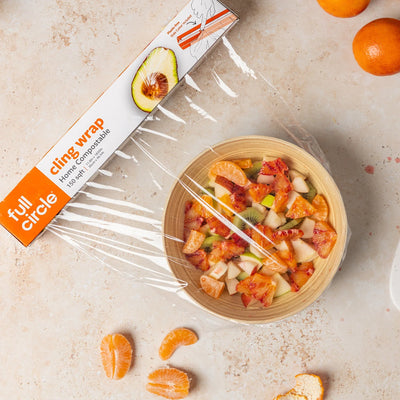
Full Circle's packaging is nearly fully plastic-free. They retain plastic packaging for specific products where moisture retention is necessary and no viable alternatives exist. They have replaced plastic film with a compostable alternative and paperboard lamination with a recyclable, water-based alternative.
A great deal of Full Circle's sustainable packaging initiatives revolves around packaging reduction. Packaging within the supply chain is also considered, with the brand electing for reusable wooden pallets, and claiming to be on the search for a replacement to the plastic pallet wraps they currently use. Full Circle says they only use non-toxic inks, insinuating plant-based instead of petro-based.
Material Sustainability
Full Circle incorporates a great deal of recycled plastics into their product designs. This plastic is GRS certified (strict guidelines for recycling processes, ethical labor practices, and sustainable production). All plastic produced is measured and offset via Plastic Bank to ensure 100% plastic neutrality.
Full Circle uses a number of sustainable materials as well, including bamboo, cellulose, dry earth (for moisture absorption), glass and aluminum (forever recyclables), organic cotton, and upcycled materials like walnut shells and coconut husks. Some products, like trash and food bags, are industrially compostable (BPI certified), though many consumers may lack access to industrial composting facilities.
Energy Use and Footprint
Full Circle offers carbon-neutral shipping through their offsetting partnership with Flexport. Beyond shipping, there is little information available regarding overall emissions reduction strategies or offsetting. The brand is certified B-Corp, which now mandates comprehensive emissions reporting and reduction plans.
Waste Management
Although there is little direct information available regarding production side waste mitigation for Full Circle, the brand it B-Corp certified. Certified brands are required to minimize waste generation, maximize material reuse and recycling, and adopt circular economy principles.
Business Model
Full Circle carries a large inventory but mostly abides by slow consumption principles. Sustainable and circular elements are incorporated into most product design and there is limited seasonal inventory or overall product churn.